Author: Jordan Bates
Entering 2025, Toronto wasn’t chasing glory; it was chasing respect. The team carried very few expectations after a dismal 74-88 season in 2024. It was a year riddled with injuries, sloppy fundamentals, and down seasons from just about everyone. For most of baseball, the Blue Jays were an afterthought, not a threat.
From .500 to First Place
Many are quick to forget, the 2025 season did not begin the way Toronto envisioned. Rolling into Opening Day with Richard Lovelady, Jacob Barnes, and Alan Roden in the lineup, Toronto stumbled out of the gate and finished May at an even .500.
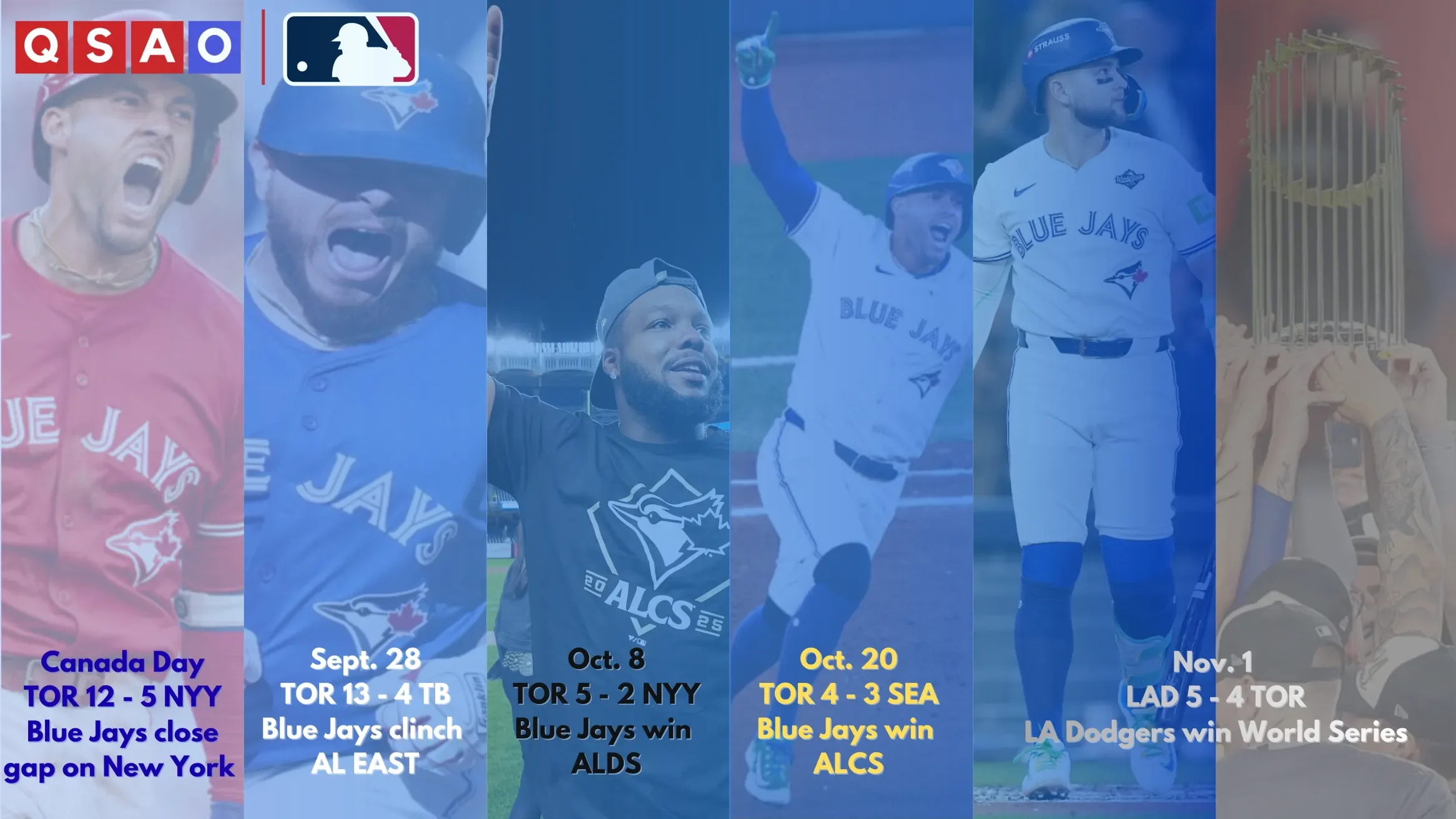
When the Jays were down eight games to the Yankees, the momentum quietly began to shift after a series victory in Arlington, punctuated by a Bo Bichette go-ahead home run. Then came the Canada Day sweep of New York, the spark that lit the fuse. A 10-game winning streak followed, launching the Blue Jays into first place, a position they would hold through October.
A Team That Found Itself
Career years were everywhere. Every regular in the lineup posted a higher OPS than the previous season except Vladimir Guerrero Jr., who nonetheless emerged as the engine of the team, capturing ALCS MVP, and very likely World Series MVP had things ended differently on November 1.
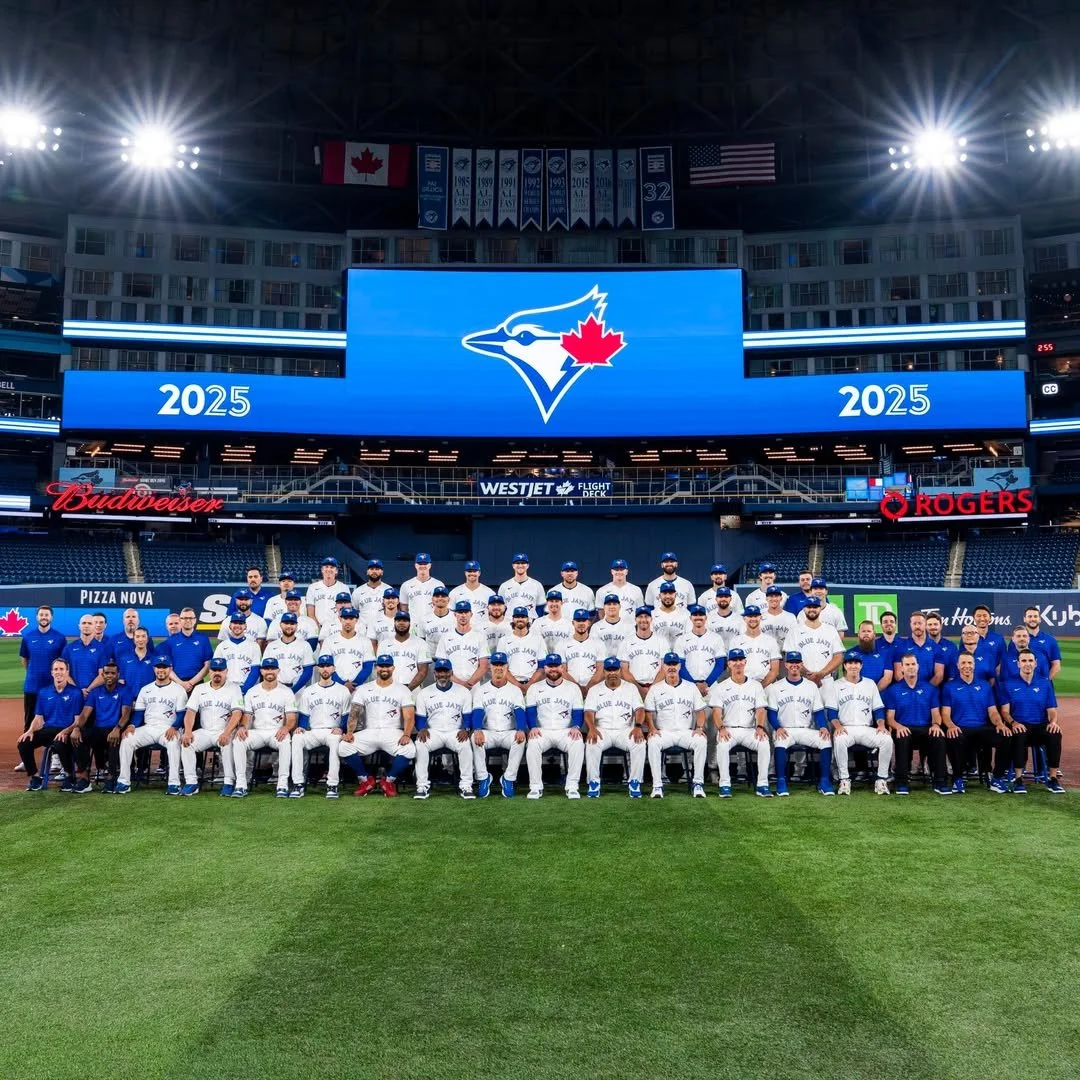
On the mound, Toronto weathered a wave of injuries and steadily improved as the year progressed, particularly after the acquisition of Shane Bieber from Cleveland. The roster gelled quickly, built on versatility, balance, and the ability to deploy tailored matchups night after night. Toronto did not overpower opponents with one transcendent star; instead, they overwhelmed them with depth, planning, and execution.
A major catalyst behind the offensive surge was new hitting coach David Popkins, whose impact was felt throughout the lineup, especially in high-leverage moments.
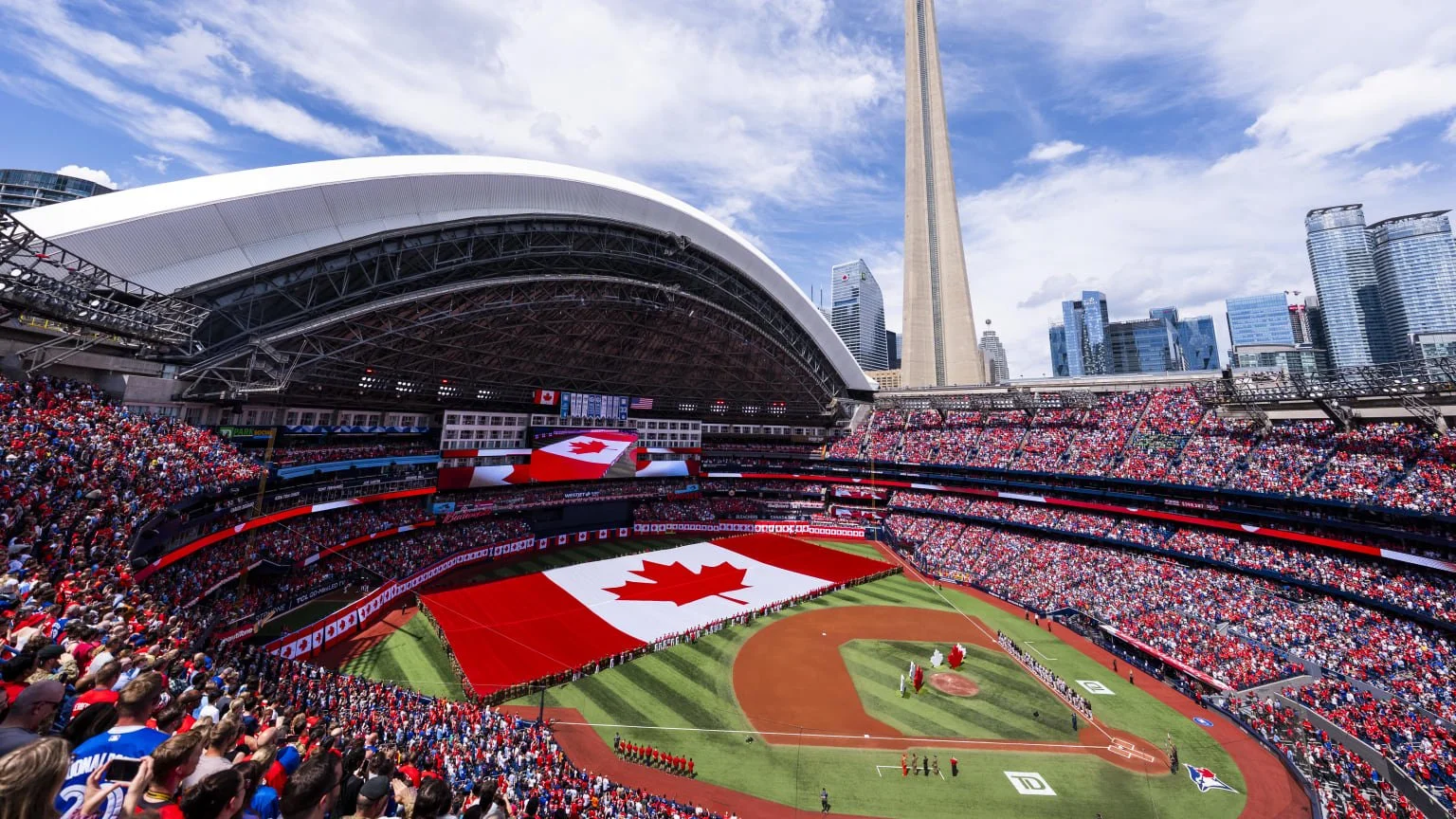
As the season unfolded, fan support surged and the Rogers Centre became a nightly sellout. More than any team in recent memory, this group connected with the city, not just because of star talent, but because of its adaptability, resilience, and belief. It was a team fans trusted, rallied behind, and wanted to see finish the story they were writing.
The Postseason
What a ride October turned out to be. The Jays took the first two games at home against the Yankees and closed out the series in Game 4 in the Bronx. But the real drama began in the next round. After dropping the first two games against Seattle, Toronto climbed back into the series, only to suffer a crushing loss in Game 5 that appeared to push them to the brink.
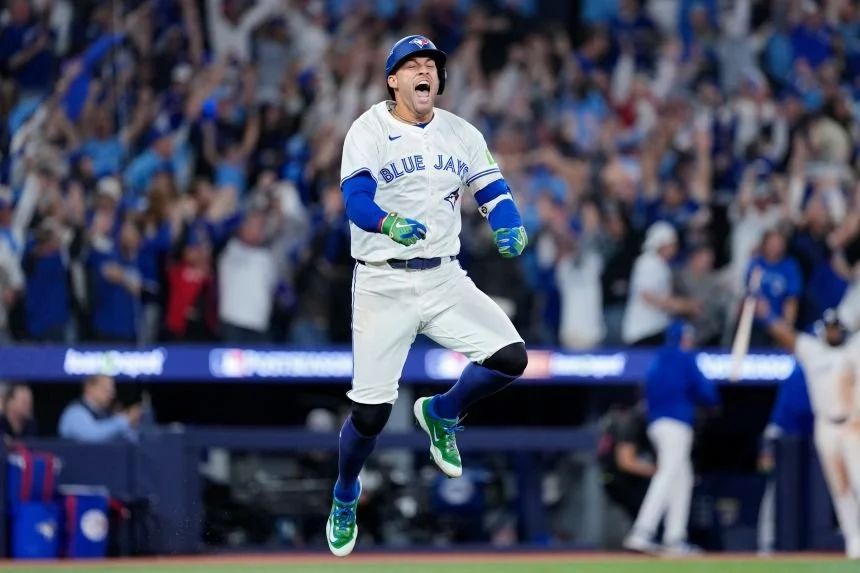
Instead of folding, the Jays responded on home soil. With the series shifting back to Toronto, the energy inside the Rogers Centre flipped the script. The offence came alive, the pitching steadied, and, behind a lineup that refused to quit, the Jays took Games 6 and 7 in front of a roaring crowd. The turnaround was sealed by George Springer’s seventh-inning home run, the defining swing of the series.
From seemingly out of it to unstoppable, Toronto completed one of the most memorable comebacks in franchise history and punched its ticket to the Fall Classic for the first time since 1993.
Then came the Dodgers. Even with baseball’s fifth-highest payroll, the matchup still felt like David versus Goliath against the defending champions. Toronto leaned into its identity in Game 1, pulling away in a blowout behind the first pinch-hit grand slam in World Series history, delivered by Addison Barger. Game 2, however, belonged entirely to Yoshinobu Yamamoto, who authored a masterpiece to even the series.
Game 3 in Los Angeles was chaos in its purest form. After nine tense innings, few could have imagined the finish, an 18-inning marathon that matched the longest game in World Series history. Toronto took calculated risks to try to seize control, and while some questioned the strategy afterward, it was hard to fault John Schneider when both lineups turning over eight times was such a remote possibility. Both teams exhausted their bullpens, with Los Angeles reportedly considering a position player for the 19th. Instead, Brendon Little was tagged by a Freddie Freeman walk-off to dead centre field just before the clock struck 3:00 a.m. Eastern Time.
What could have been a crushing blow became a turning point. The Jays responded in Game 4 with authority as Vladdy Jr. launched a home run off Shohei Ohtani and the offence kept rolling with a relentless seventh-inning surge.
In what felt like a must-win Game 5, Toronto set the tone immediately, becoming the first team in World Series history to open a game with back-to-back home runs, courtesy of Davis Schneider and Guerrero Jr., both off two-time Cy Young winner Blake Snell. Rookie phenom Trey Yesavage handled the spotlight with ease, striking out 12 Dodgers over seven dominant innings. With the series lead secured, the Jays headed home with two chances to win the World Series.
The importance of that win only grew with Yamamoto looming for Game 6. Toronto hoped to avoid facing him again, and at least get a chance to clinch at home. As expected, the Dodgers hung tough, and despite a late ninth-inning rally by Toronto, highlighted by Barger’s wedged ground-rule double and an unfortunate out at second, Los Angeles survived and stayed alive for the chance to repeat as World Champions.
Game 7: A Night Toronto Will Never Forget
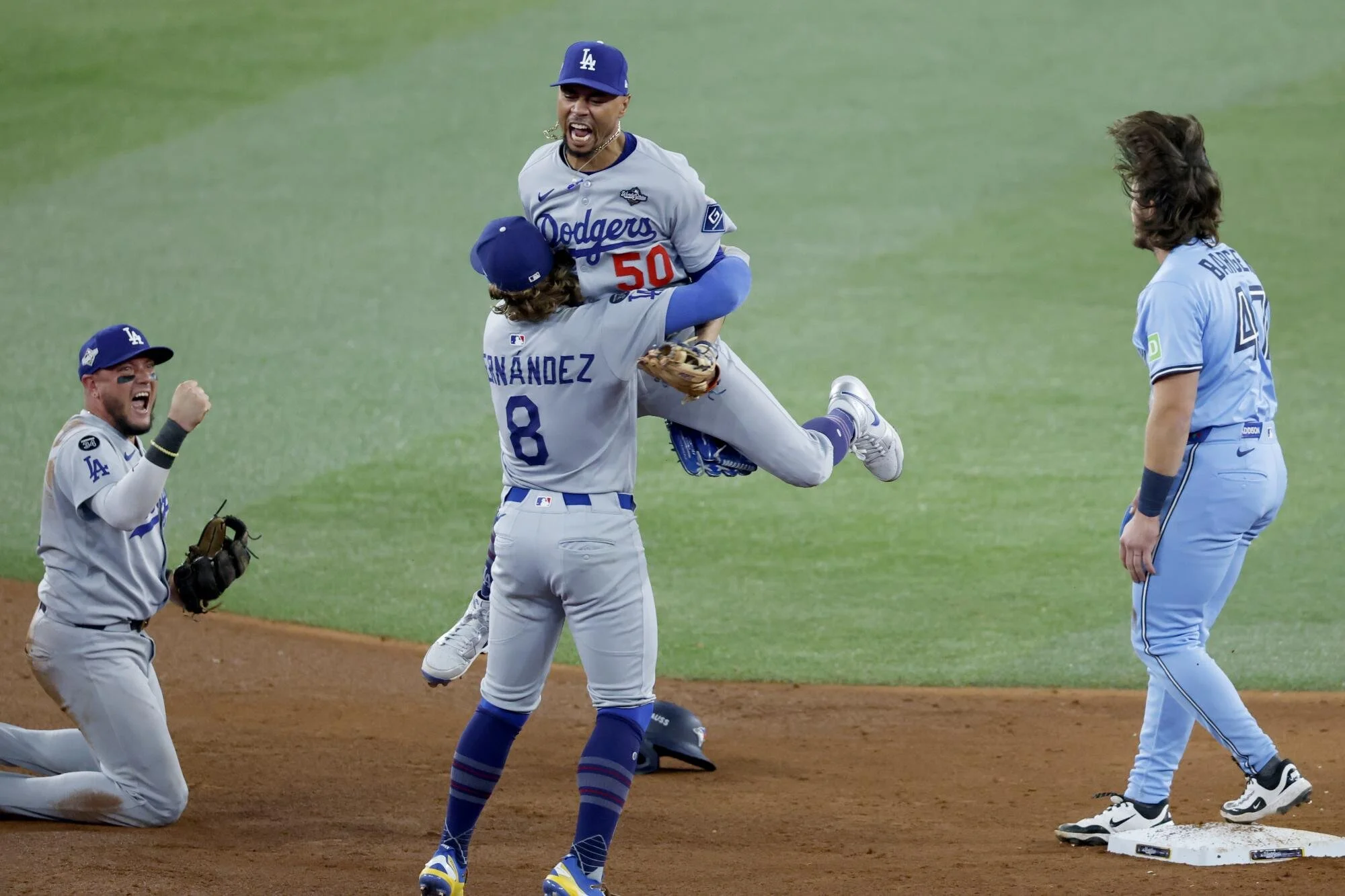
The final game of the 2025 MLB Season was simply electric. After a scoreless start, Bo Bichette got the Rogers Centre rocking in the bottom of the third with a three-run homer off Shohei Ohtani. In what may have been his final game, Max Scherzer delivered 4.1 strong innings with one earned run. With the game later at 3–2, an Andres Gimenez double to score Ernie Clement made it feel like the Jays had secured the two-run cushion needed to bring the World Series north of the border.
But the Dodgers refused to go quietly. A solo home run by Max Muncy off Trey Yesavage cut the deficit to one, and after Jeff Hoffman recorded the final out of the eighth inning, it felt as though the Jays were finally on the brink of closing it out. Despite a rocky regular season, Hoffman had been lights-out in the postseason and effective against the Dodgers to that point.
With two outs and the league MVP waiting on deck, Hoffman tried to finish Rojas quickly and get to Ohtani with a clean slate. Instead, on a 3–2 slider left over the plate, Rojas — the series’ unsung hero whose only notable impact had been the Game 6-ending double play — delivered a shocking game-tying home run. More than 44,000 fans in the stadium, and millions watching across Canada and beyond, were left in disbelief.
The Blue Jays had battled adversity all season, and fortunately the game was still tied. But over the final two innings, everything unraveled. With the bases loaded and one out, they failed to bring the winning run home, coming just inches short after a questionable slide from Isiah Kiner-Falefa.
After a tense 10th inning, Will Smith gave the Dodgers the lead with a solo shot off Shane Bieber in the 11th. Guerrero’s lead-off double in the bottom half briefly reignited hope, until the tying run was stranded just 90 feet away.
In a season defined by timely hitting, the Jays suddenly couldn’t buy one when it mattered most.
The World Was Watching — And Yamamoto Delivered
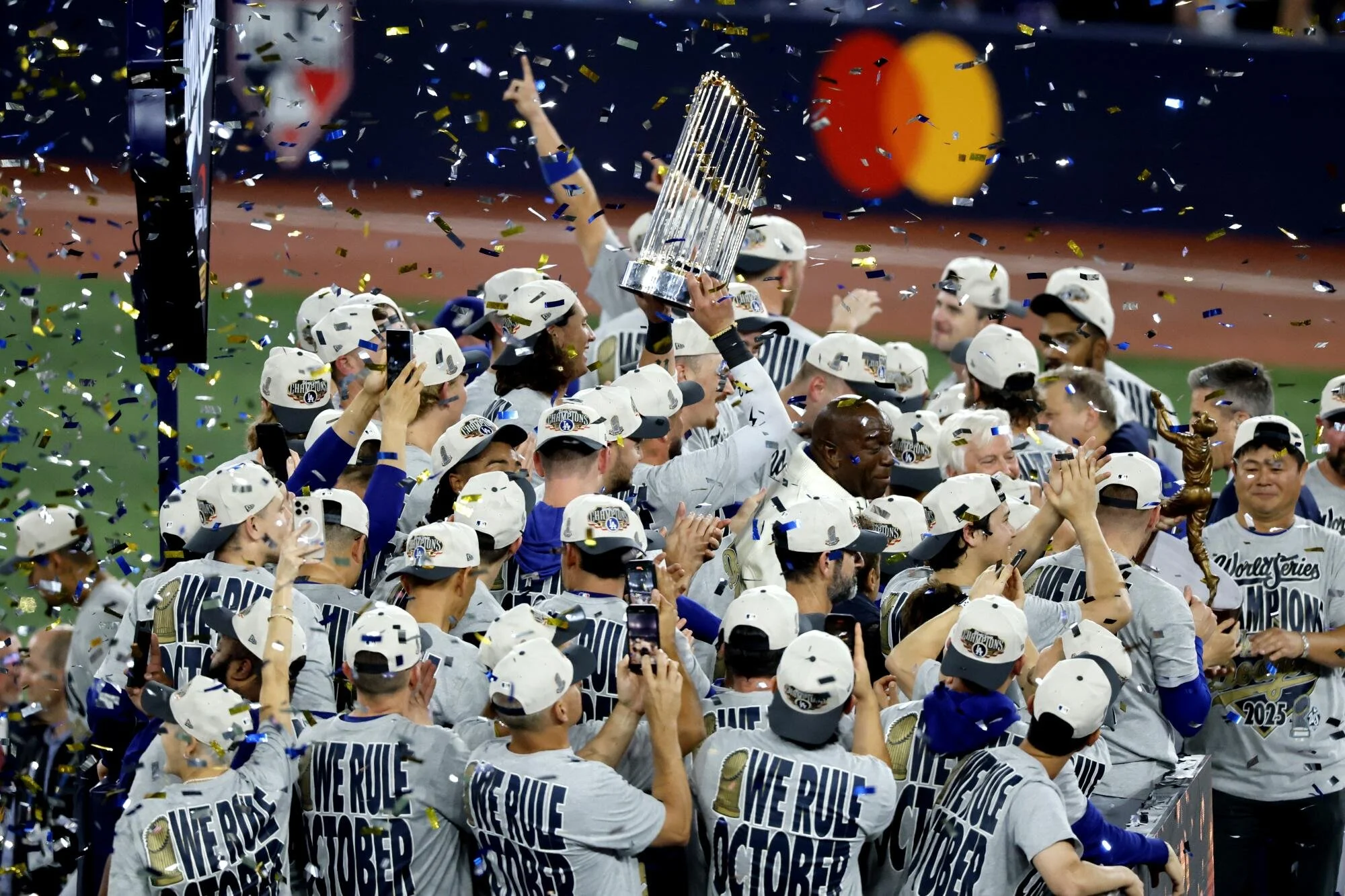
It was proven all series long that Yoshinobu Yamamoto is as good a pitcher as any in baseball, if there was ever any doubt before the World Series began. Not since Randy Johnson in 2001 has a World Series pitcher started a game and pitched in relief the very next night. Yamamoto unexpectedly gave the Dodgers 2.2 huge innings to close out Game 7, and the one arm the Jays never thought they’d see in the season’s biggest moment came back to haunt them once again. Three incredibly dominant appearances propelled him to a much-deserved World Series MVP award.
Even with a Canadian team and a reigning champion in the mix, the 2025 World Series drew massive attention, becoming the most-watched Fall Classic in the U.S. since 2017. Over 18.5 million Canadians tuned into the deciding game, joined by more than 20 million viewers in Japan and countless others from around the globe.
Many Moments, Many “What-Ifs”
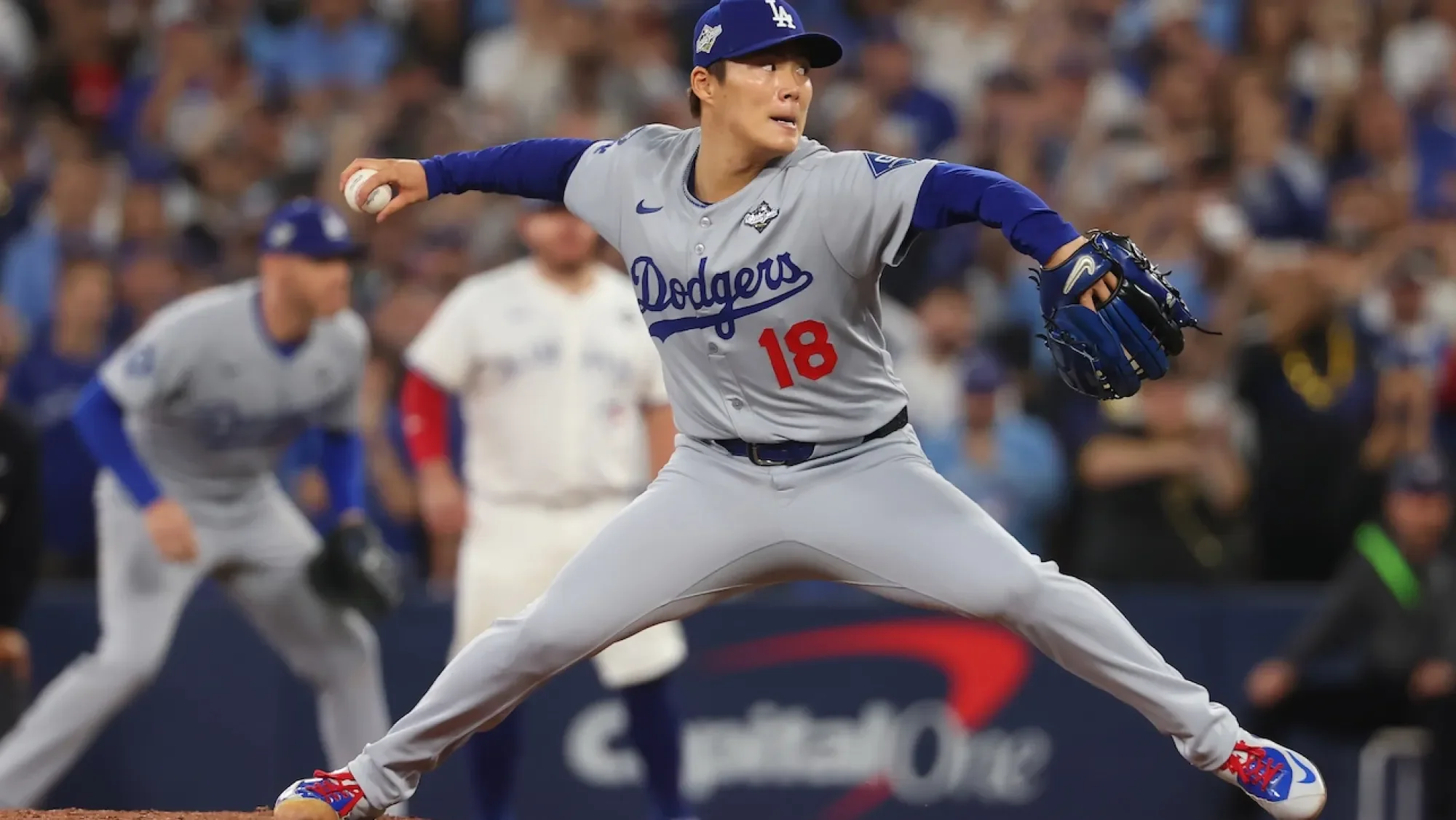
For the Blue Jays, it’s about as crushing a loss you could have, playing a strong series against the defending champs, taking the lead in Game 7, choking the advantage away with a solo homer to the number nine hitter with two outs to go, before giving up the go-ahead homer in the 11th inning. All while blowing every opportunity to close the game out.
The team lost this game, there is no one person to blame single-handedly, however three players may personally feel like they cost their team the World Series:
Jeff Hoffman, who had been mightily inconsistent in the regular season with a glaring home-run problem, had finally put it together in the postseason, before one pitch brought his season full circle. He remains signed for the next two years, but the Jays shouldn’t hesitate to add another closer option if one becomes available this offseason.
Daulton Varsho, best-known for his defence but still a capable bat, went 0-4 with runners in scoring position in Games 6 and 7. Even after the team moved the struggling hitter down in the lineup, the game kept finding him, and he couldn't capitalize on several key opportunities to put one more run on the board.
And finally, Isiah Kiner-Falefa, brought back as a deadline rental from Pittsburgh to be a defensive and pinch-run option, held a questionable lead off third base in the bottom of the 9th inning before choosing to slide feet-first into home, despite wearing a sliding mitt or simply going with the easy option of running through home plate. Yet, he was still mere inches away from bringing home the title and now represents one of the biggest “what-ifs” in sports history.
All season long, the Jays thrived with runners in scoring position and executed situational baseball at a high level, but against Los Angeles, when it mattered most, that formula fell apart. Some misfortune played a role as well, from rally-killing double plays to chaotic outfield collisions that stalled momentum.
Despite the series loss, it isn’t unreasonable to argue that the Jays were the stronger team overall, as they posted better numbers across nearly every category. But the one area they lacked was the most important: the clutch factor. They dropped two extra-inning games, came just two outs, and a few inches, from winning Game 7, all while outscoring the Dodgers and having two chances at home to end a 32-year drought.
History’s Warning — and Opportunity
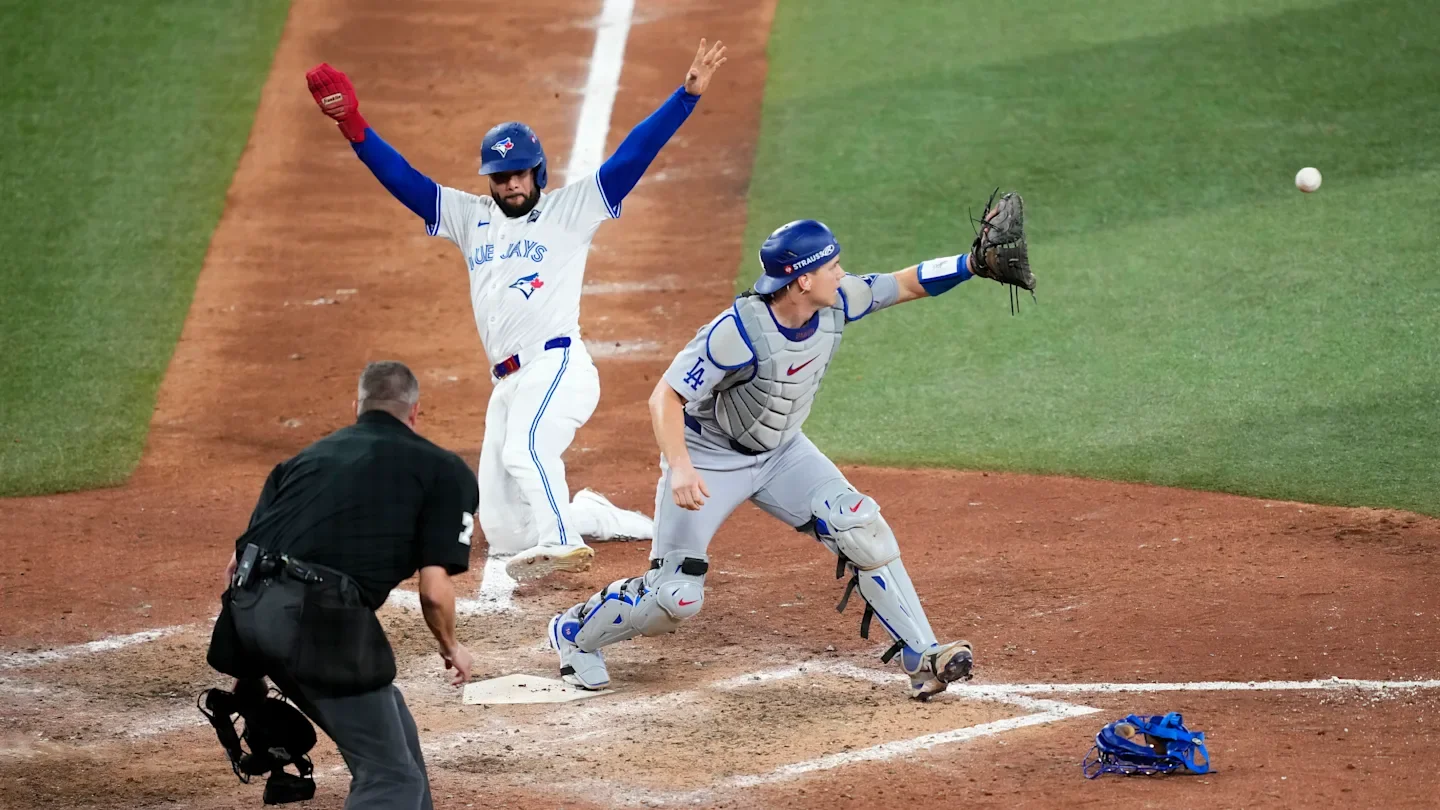
Perhaps only the 2011 Rangers and 1997 Indians can truly relate to coming that close. It took Texas twelve long years to finally capture their first championship, and Cleveland is still searching, with its drought stretching all the way back to 1948. It’s a reminder that letting a title slip away when it’s within reach can leave a mark that lasts for years, sometimes decades.
In the short-term, this loss will hurt all winter-long both for the players and long-suffering fans, but baseball doesn’t wait for heartbreak to heal. The offseason clock begins the moment the final out is recorded, and it is important the Jays do not dwell too long and come back ready to go in 2026, hungrier than ever to build on a strong season.
If you’re wondering whether or not history is on the Jays’ side, it should be noted that since 1990, only two teams have lost the World Series and come back to win it the next year: the 2014-15 Royals and the 2021-22 Astros, with both teams losing the heartbreaker at home.
The path is narrow, but it’s been walked before.
Win-Now Mode in 2026
Fortunately, many of the unsung heroes and role players are under team control for 2026 and beyond, including the likes of Ernie Clement, Trey Yesavage, and Addison Barger. The big guys like Guerrero Jr., Kevin Gausman, and George Springer, are all signed, although getting Bo Bichette to return will be key in a relatively thin free agent market. Injury concerns and positional questions could make a reunion more difficult, despite the talent and ability being inarguable.
Whether Jose Berrios remains with the team in 2026 is still unclear. He was on the verge of missing the postseason roster before a late-season injury, and his declining performance, paired with a hefty contract, would make it difficult to find a trade partner.
With the big three of Kevin Gausman, Trey Yesavage, and Shane Bieber already in place, and Dylan Cease now signed to a $210 million deal, the rotation still needs one more arm. Perhaps it will be Berrios. Perhaps it will be Eric Lauer. Or maybe the Jays will turn to someone else entirely to take the ball every fifth day.
Whether veterans Chris Bassitt and Max Scherzer will return in 2026 remains uncertain, roster space and the sizable contracts they’d command could make it difficult, and retirement for one or both is still on the table despite their impressive postseason showings. Regardless, the team will need to ensure they have legitimate 6th and 7th starters in place, as when injuries hit in 2025, the Jays were left stranded with Easton Lucas and other minor-leaguers covering games.
Largely, the lineup will remain unchanged next year, and with so many guys plugging-and-playing and spending time on the bench throughout the postseason, there isn’t much of a position-player need beyond adding depth.
The bullpen, while deep, may need a closer look at whether it truly has enough high-leverage arms, with Seranthony Domínguez entering free agency, Jeff Hoffman showing inconsistency, and John Schneider losing trust in less-experienced relievers like Brendon Little and Braydon Fisher during the postseason. As a result, he often turned to using his extra starters in key relief moments.
With Yesavage already up with the team, and prospect shortstops JoJo Parker and Arjun Nimmala projecting to be 3+ years away, Ricky Tiedemann remains the lone star prospect yet to be called up. Amid an injury-riddled last few years, will he finally end up making the team, perhaps as a reliever? The talent is there, he just needs to find consistency and stay on the field.
The Blue Jays must see themselves as firmly in win-now mode, with Guerrero Jr. in his prime and a relatively inexpensive young core under team control. You can bet that if the right player is available, perhaps a Fernando Tatis Jr. or Ketel Marte, as rumoured, Ross Atkins, Mark Shapiro, and the front office wouldn’t hesitate to move prospects, just as they’ve done in key trades over the past few competitive years.
The Power of Baseball
Heading into 2026, the excitement is undeniable following the club’s first AL East title in a decade and its first American League pennant in 32 years. Bars and restaurants across the country were packed throughout the playoff run, showing just how much the Jays captured diehard and casual fans alike, creating a cultural moment that echoed the Raptors’ 2019 championship run.
The 2025 Blue Jays posted the best home record in baseball, feeding off a rabid Rogers Centre atmosphere that became one of the toughest environments for visiting teams. After such a great season, a surge in new fans is almost guaranteed in 2026, which should boost merchandise sales, ticket demand, and TV ratings. All of that momentum positions Rogers Communications to keep spending aggressively this offseason.
There’s no question that things are looking up across the board for the Jays. But getting back to the World Series, and finally finishing the job, is no easy feat.